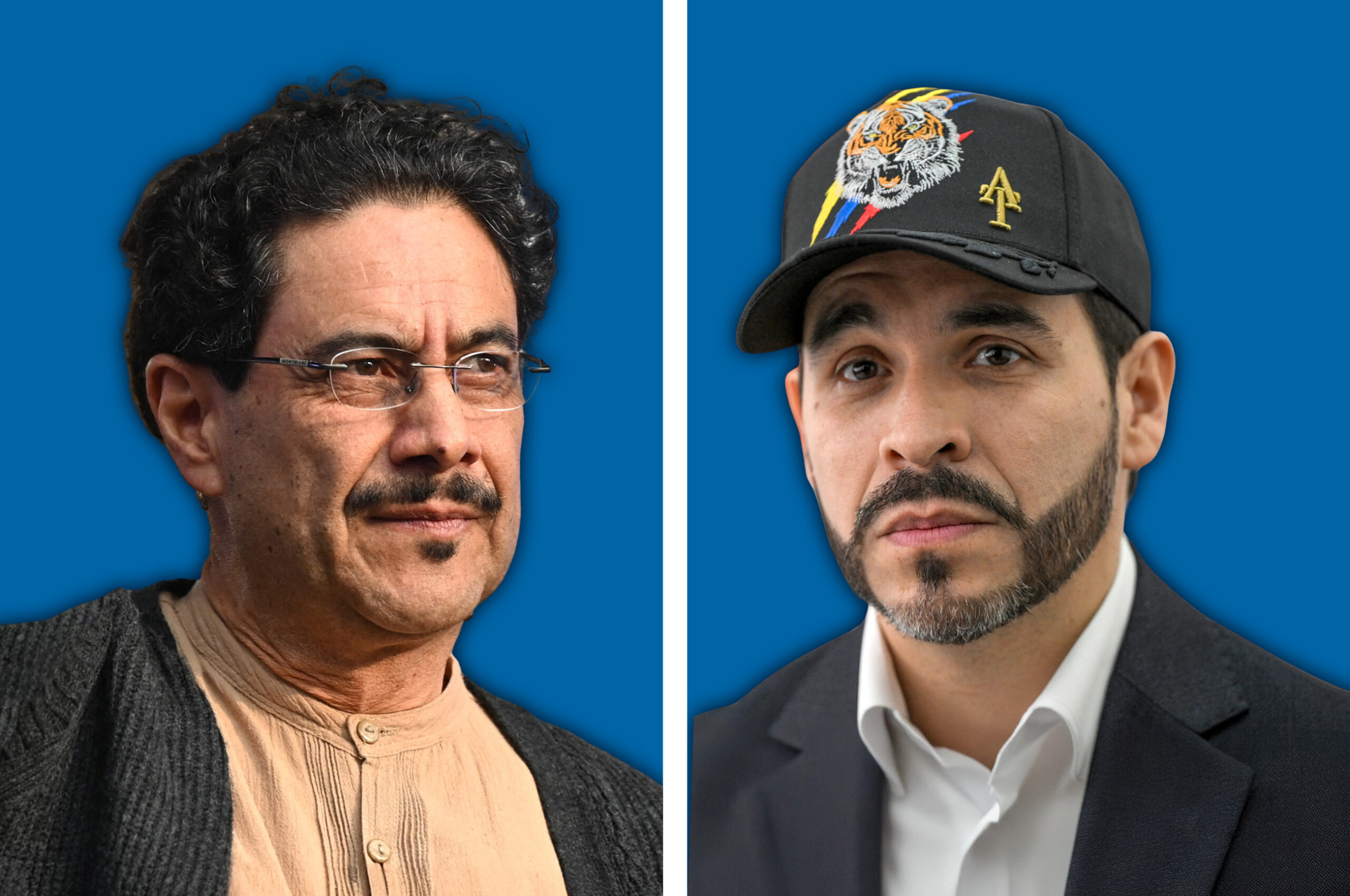
On November 26, three days after the presidential elections, a dispute erupted between incumbent President Umaro Sissoco Embaló, who was seeking re-election, and his rival Fernando Dias da Costa, both of whom declared themselves winners before the official result.
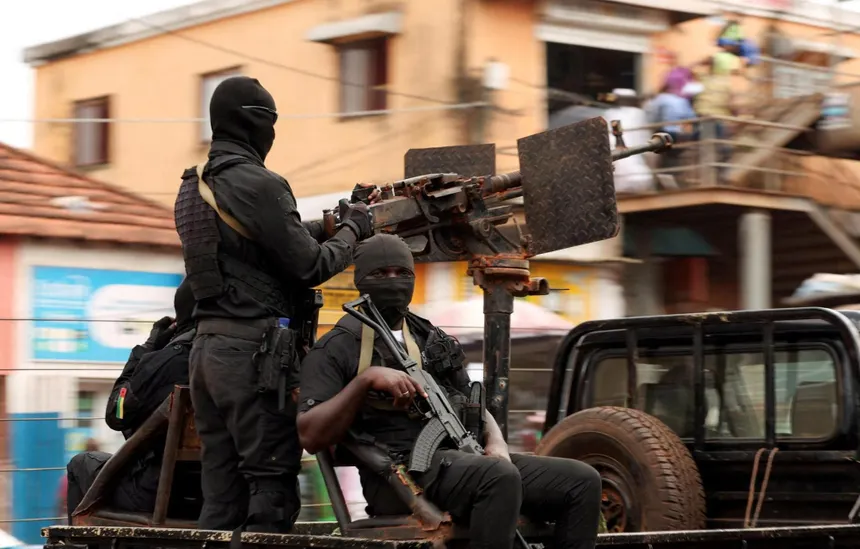
Without a clear verdict, the Armed Forces took control of the State. They dissolved institutions, closed borders, and restricted press activity, interrupting an already fragile and tense democratic process.
The military high command justified the intervention as a necessary action to restore order. It claimed there was a power vacuum caused by the confrontation between the candidates, who accused each other of fraud even before the official announcement of results.
The country has historically been used as a transit point to the European market, and several analysts suggest that these illicit dynamics, rather than the electoral dispute, are a central factor behind the destabilization.
This episode adds to other coups that have occurred in West Africa since 2020, consolidating a "belt of instability" where power transitions tend to be resolved through institutional breakdowns, further weakening governance and public trust.
The Actors Behind the Coup
The Military
After seizing power, a self-proclaimed Military High Command for the Restoration of Order was created and announced it was assuming "total control" of the State.
The following day, General Horta Inta-A Na Man was sworn in as interim president.
The Politicians
President Umaro Sissoco Embaló's mandate was already questioned: his government was marked by the repeated dissolution of parliament, first in 2022 and then again in December 2023, creating a long absence of institutional checks and balances.
His main rival, Fernando Dias da Costa, emerged as the principal opposition after the historic PAIGC party was excluded from participating in the elections by a Supreme Court decision, due to alleged administrative irregularities.
That exclusion transformed Dias, until then marginal, into the main contender, generating strong institutional tensions and expectations of change.
Added to this are years of historic institutional fractures, state weakness, recurrent coup threats, and fragile governance, making the country particularly vulnerable to political crises like the current one.
International Reactions
The African Union (AU) suspended Guinea-Bissau from its activities, considering the action an "unconstitutional change of government."
ECOWAS "strongly" condemned the coup in Guinea-Bissau and demanded the immediate restoration of constitutional order. It suspended the country from its decision-making bodies, called for the release of detainees, and sent a high-level mediation mission.
The UN described the coup as a serious violation of constitutional order and democratic principles. It demanded the release of all detainees and called for restoring the popular will expressed at the ballot box through an urgent return to legal order.
Conclusion
There is concern about the possible worsening of political instability, combined with the country's long history of coups and its vulnerability to drug trafficking, which complicates the social, economic, and security outlook.